
Sleeping 8 Hours But Still Drained? Read This
You go to bed on time. You sleep for a full 8 hours.
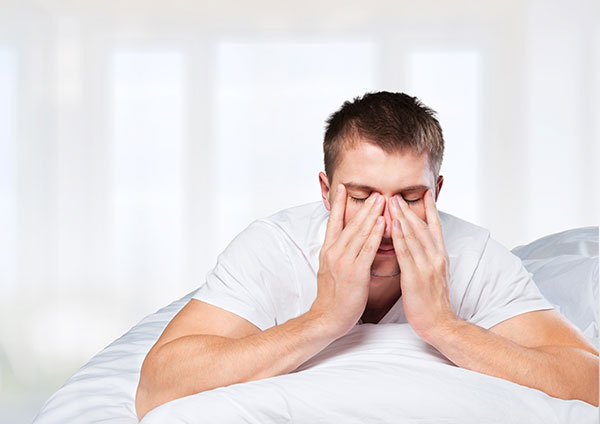
Yet somehow, you wake up feeling exhausted, foggy, and unmotivated.
If you’re sleeping 8 hours but still tired, you’re not alone. Millions of people experience this daily — and the problem isn’t always about how long you sleep… it’s about how well you sleep.
Let’s break down the real reasons behind this frustrating issue — and more importantly, how to fix it.
Why You Feel Tired Even After 8 Hours of Sleep
Sleeping longer doesn’t always mean sleeping better. Your body needs quality sleep, not just quantity.
Here are the most common hidden causes:
1. Poor Sleep Quality (Not Deep Sleep)
Even if you’re in bed for 8 hours, your body might not be reaching deep sleep stages.
Deep sleep is when your body:
- Repairs muscles
- Restores energy
- Strengthens memory
Without it, you’ll wake up drained.
👉 Signs:
2. Sleep Interruptions You Don’t Notice
You may be waking up multiple times without remembering.
Causes include:
- Noise
- Phone notifications
- Stress
- Breathing issues
These interruptions break your sleep cycles.
3. Stress & Mental Overload
Your brain doesn’t “switch off” just because you’re asleep.
If you’re stressed:
- Your mind stays active
- Your body stays tense
- Sleep becomes less restorative
👉 This is why many people feel mentally exhausted after sleep.
4. Poor Sleep Schedule
Sleeping at random times confuses your body clock.
If your sleep routine is inconsistent:
- Hormones get disrupted
- Energy levels drop
- You wake up feeling tired
5. Screen Time Before Bed
Using your phone or laptop before sleep reduces melatonin (sleep hormone).
Result:
- Delayed sleep
- Lower sleep quality
- Morning fatigue
6. Nutritional Deficiencies
Low levels of:
- Iron
- Vitamin D
- Vitamin B12
can cause constant fatigue — even with enough sleep.
7. Dehydration
Even mild dehydration can make you feel:
- Tired
- Dizzy
- Low energy
8. Lack of Physical Activity
Ironically, not moving enough can make you feel more tired.
Exercise helps:
- Improve sleep quality
- Boost energy
- Reduce stress
9. Hidden Sleep Disorders
Sometimes the issue is medical, such as:
- Sleep apnea
- Overthinking
- Insomnia
- Restless leg syndrome
If you’re always tired after sleep, this could be a reason.
How to Fix Feeling Tired After 8 Hours of Sleep
Now let’s talk solutions 👇
1. Improve Sleep Quality (Not Just Duration)
Focus on:
- Dark room
- Quiet environment
- Comfortable mattress
2. Follow a Consistent Sleep Schedule
Sleep and wake up at the same time daily — even on weekends.
3. Reduce Screen Time Before Bed
Avoid screens at least 1 hour before sleep.

4. Manage Stress Before Bed
Try:
- Deep breathing
- Journaling
- Meditation
5. Stay Hydrated
Drink enough water throughout the day.
6. Check Your Diet
Eat foods rich in:
- Iron
- Protein
- Vitamins
7. Exercise Regularly
Even 20–30 minutes daily can improve sleep quality.
8. Get Morning Sunlight
Sunlight helps regulate your internal clock and boosts energy.
9. See a Doctor (If Needed)
If nothing works, consult a professional — especially if fatigue is constant.
Daily Habits to Wake Up Refreshed
Here’s a simple routine:
Morning
- Wake up at the same time
- Get sunlight
- Drink water
Day
- Stay active
- Eat balanced meals
Night
- Avoid screens
- Relax your mind
- Sleep at a fixed time
FAQs
❓ Why am I sleeping 8 hours but still tired?
Because sleep quality matters more than quantity. Stress, poor sleep cycles, or health issues may be affecting your rest.
❓ How can I stop feeling tired after sleep?
Improve sleep quality, reduce screen time, manage stress, and maintain a consistent routine.
❓ Is it normal to feel tired every day?
No. Constant fatigue may indicate poor sleep habits or underlying health issues.
❓ Can dehydration cause tiredness?
Yes, even mild dehydration can reduce energy levels.
❓ When should I see a doctor?
If you’re always tired after sleep despite lifestyle changes, consult a doctor.
Conclusion
If you’re sleeping 8 hours but still tired, the problem isn’t laziness — it’s likely hidden factors affecting your sleep quality.
By making small, consistent changes, you can:
- Wake up refreshed
- Boost your energy
- Improve your overall well-being